

How might we improve Irish society?
After graduating from NCAD, John and I set out to find a problem worth tackling. Instead, we found a web of interconnected ones.
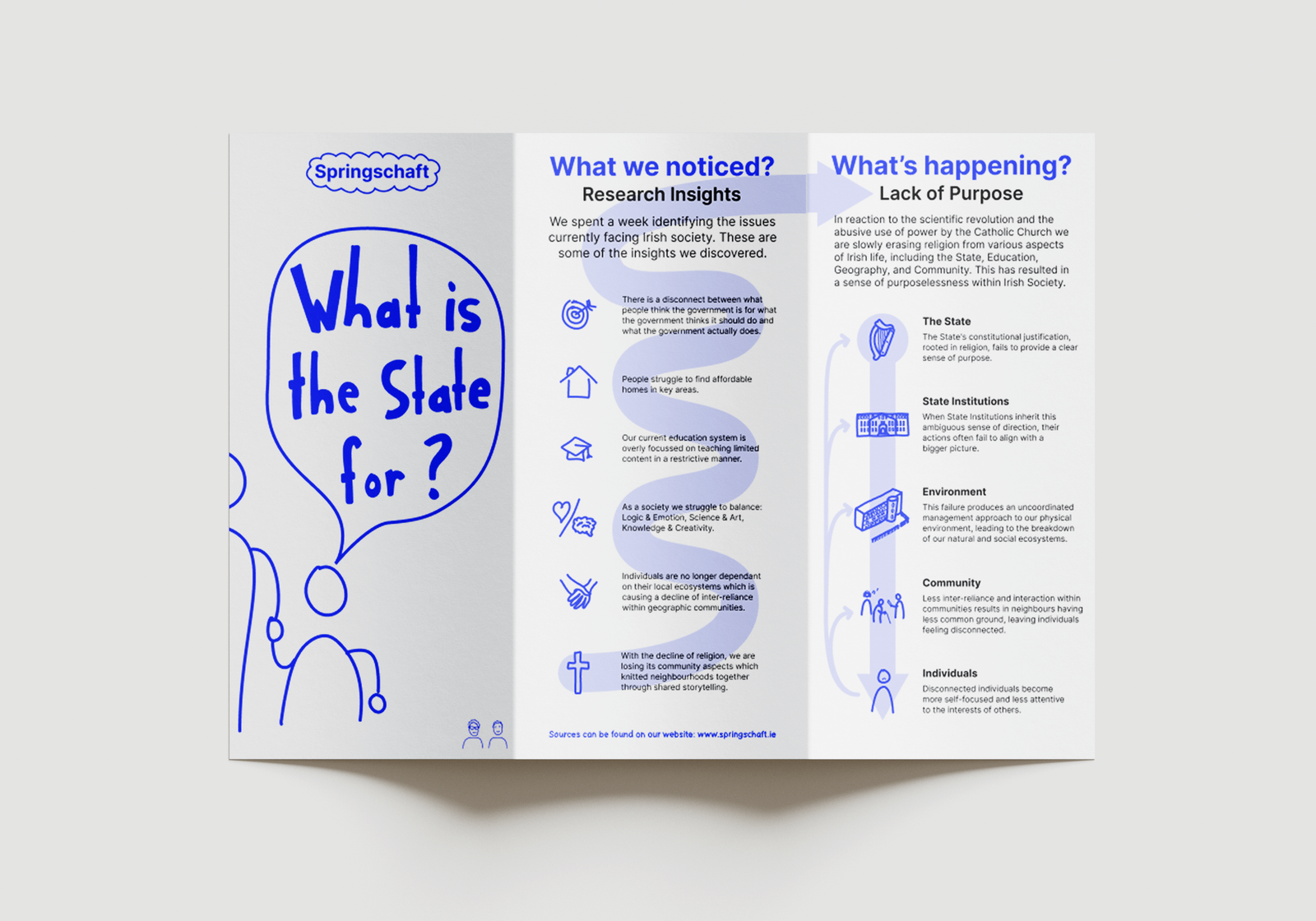

We explored a wide range of perspectives through books, videos, interviews, surveys, workshops, and conversations.
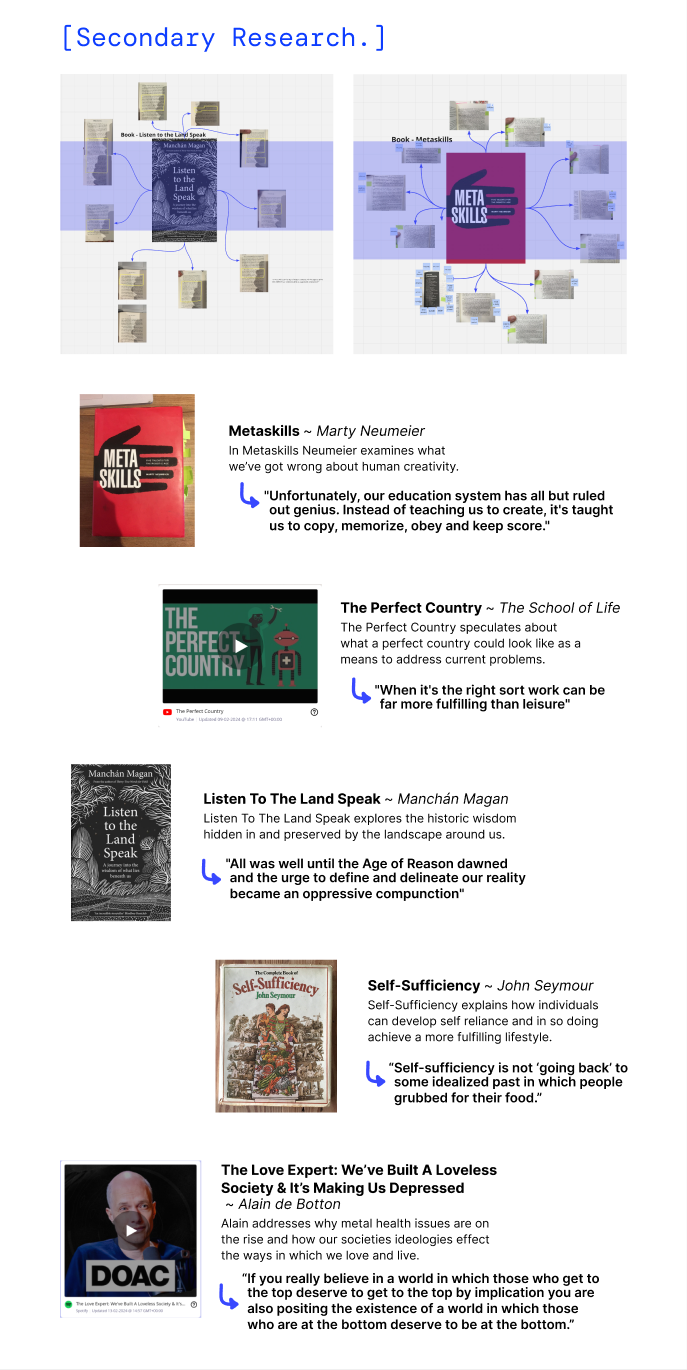
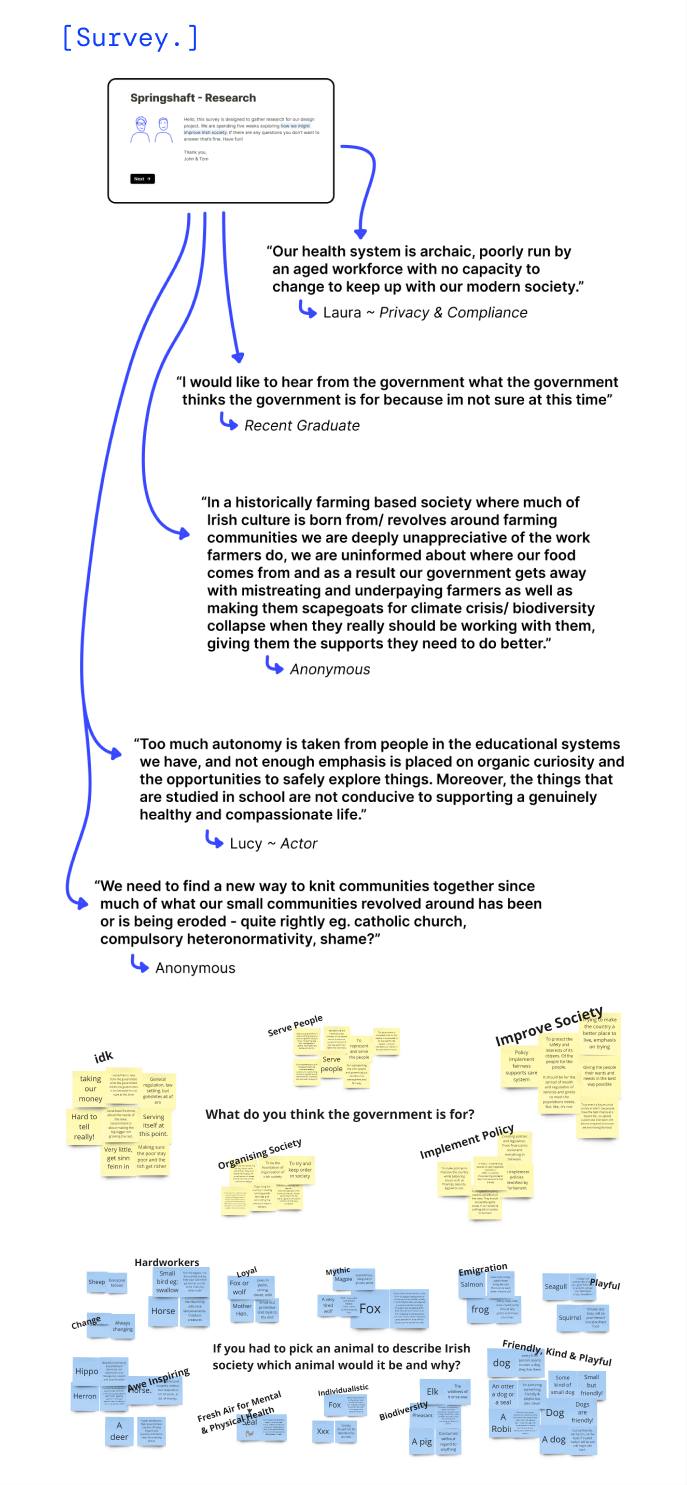
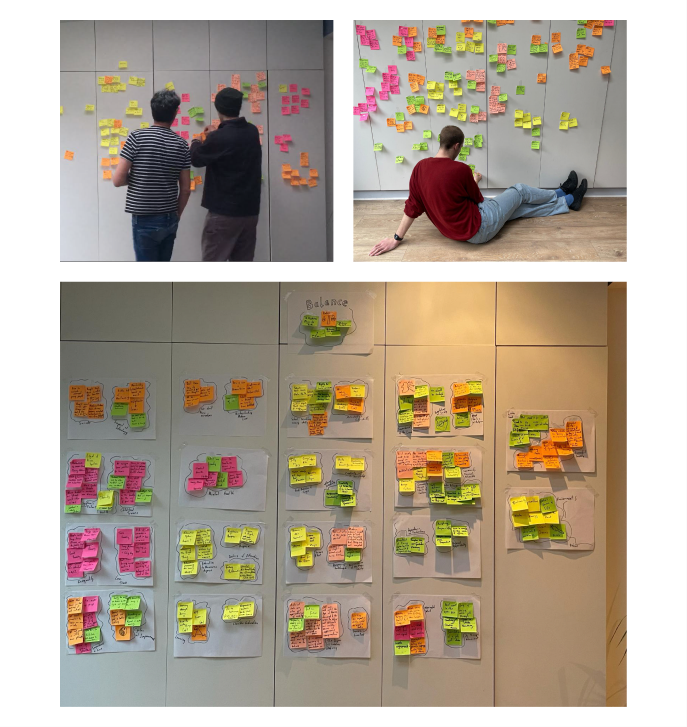
We grouped related observations, identified patterns, and developed a set of insights that helped explain what we were seeing.
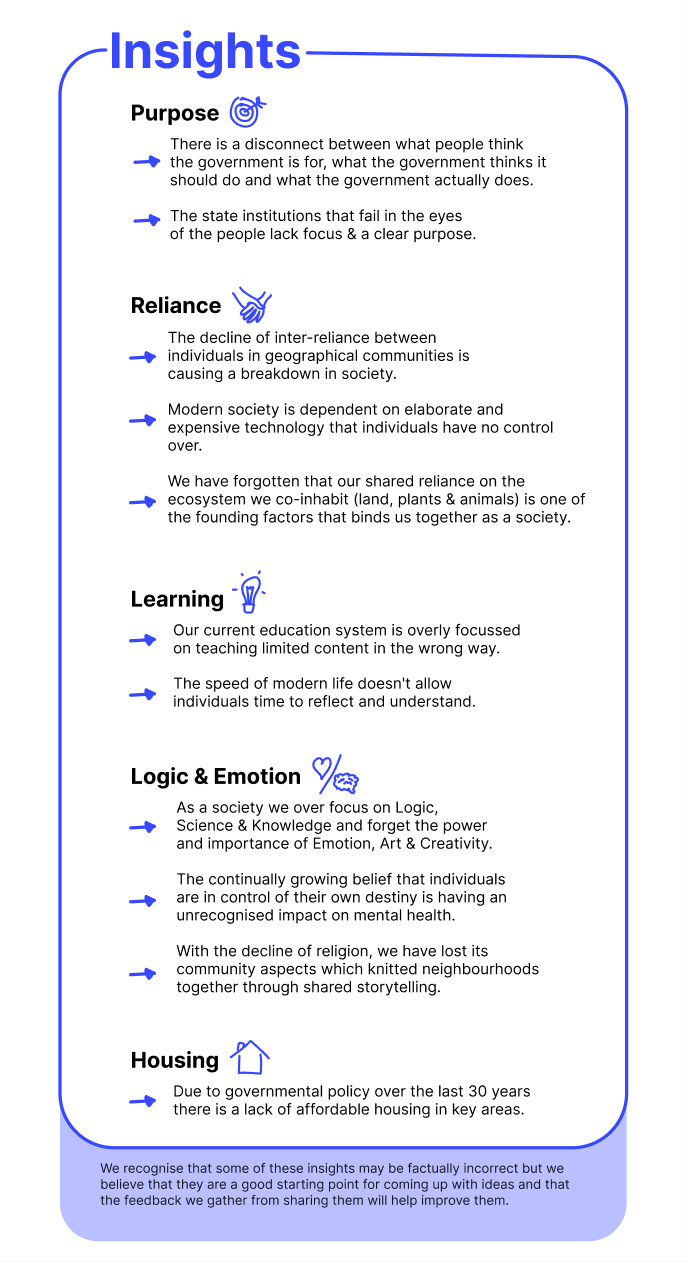
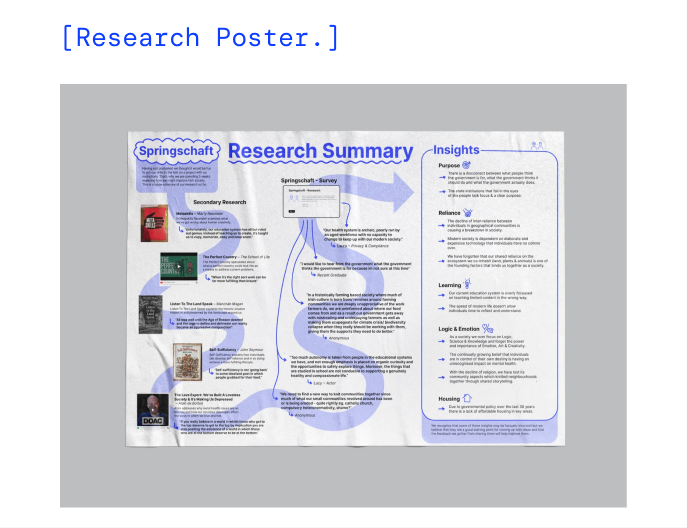
We shared our insights through a research poster, workshop, and conversations to challenge our assumptions and gather feedback.
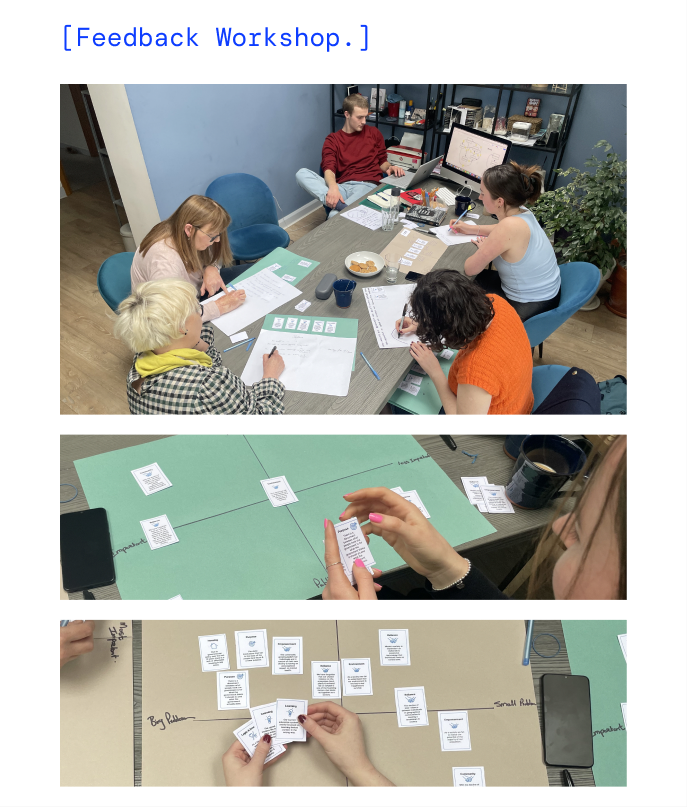
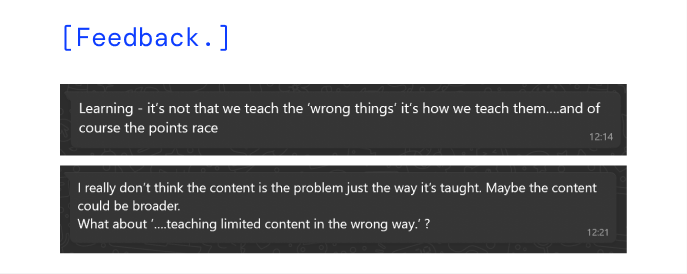
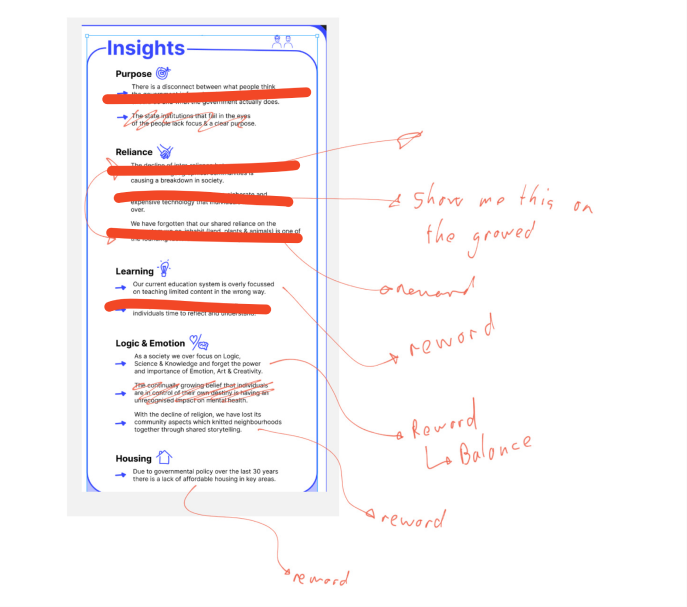
Having refined our insights, we stepped back and asked a bigger question:
What is actually going on here?
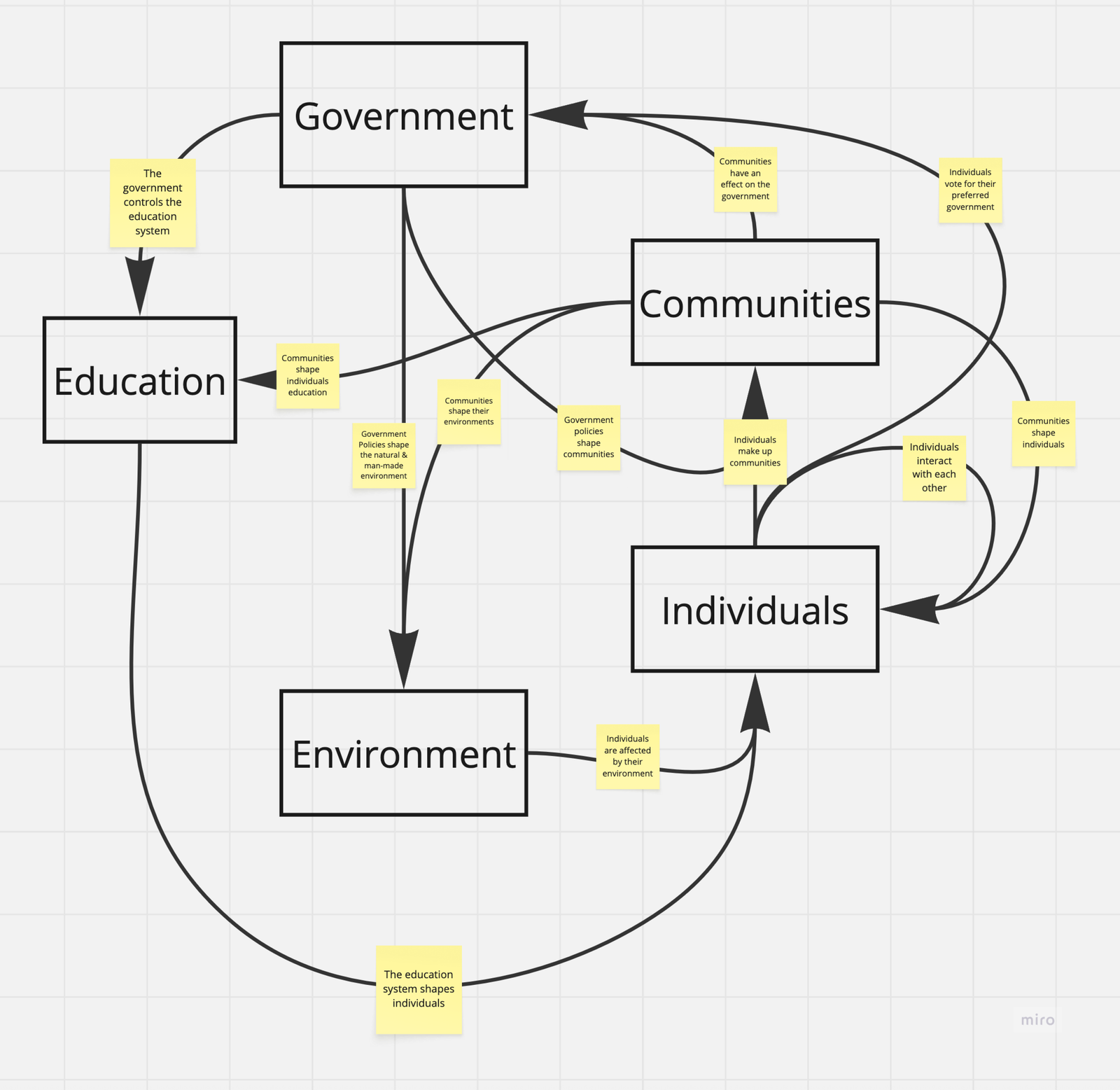
By mapping the relationships between our insights, we began to see a larger system emerge.
[Mapping Systems.]
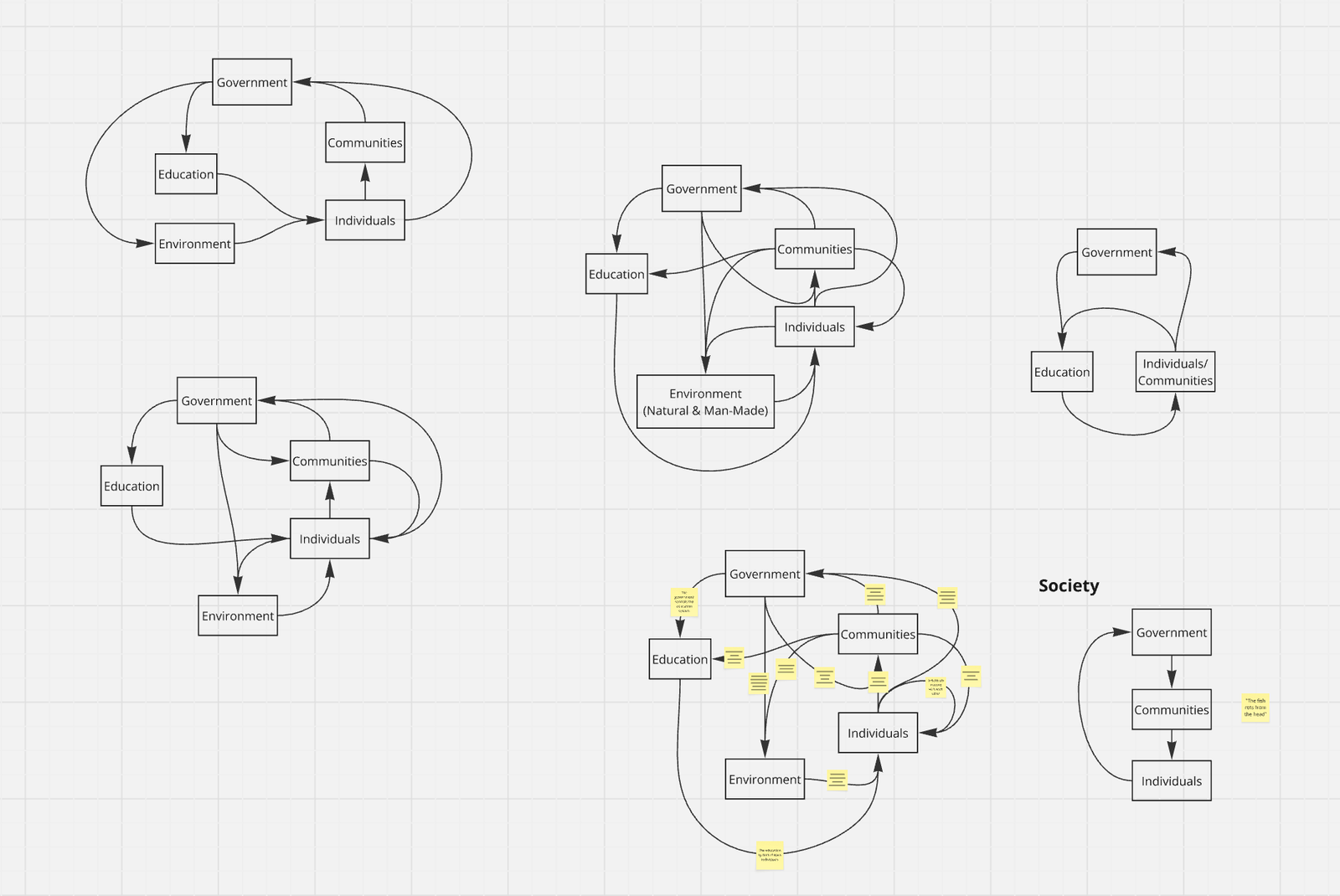
As we explored potential interventions, we kept returning to the same conclusion: we didn't need a solution yet.
We needed a clearer explanation of the problem.
Our focus shifted from designing something new to communicating what we had learned.
[Iteration.]
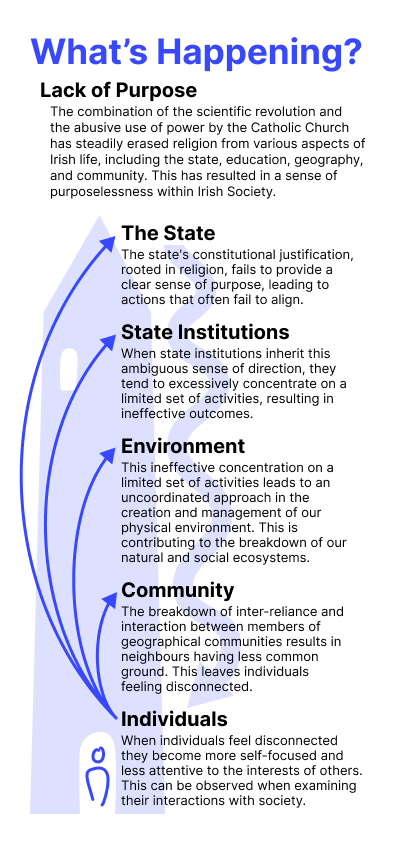
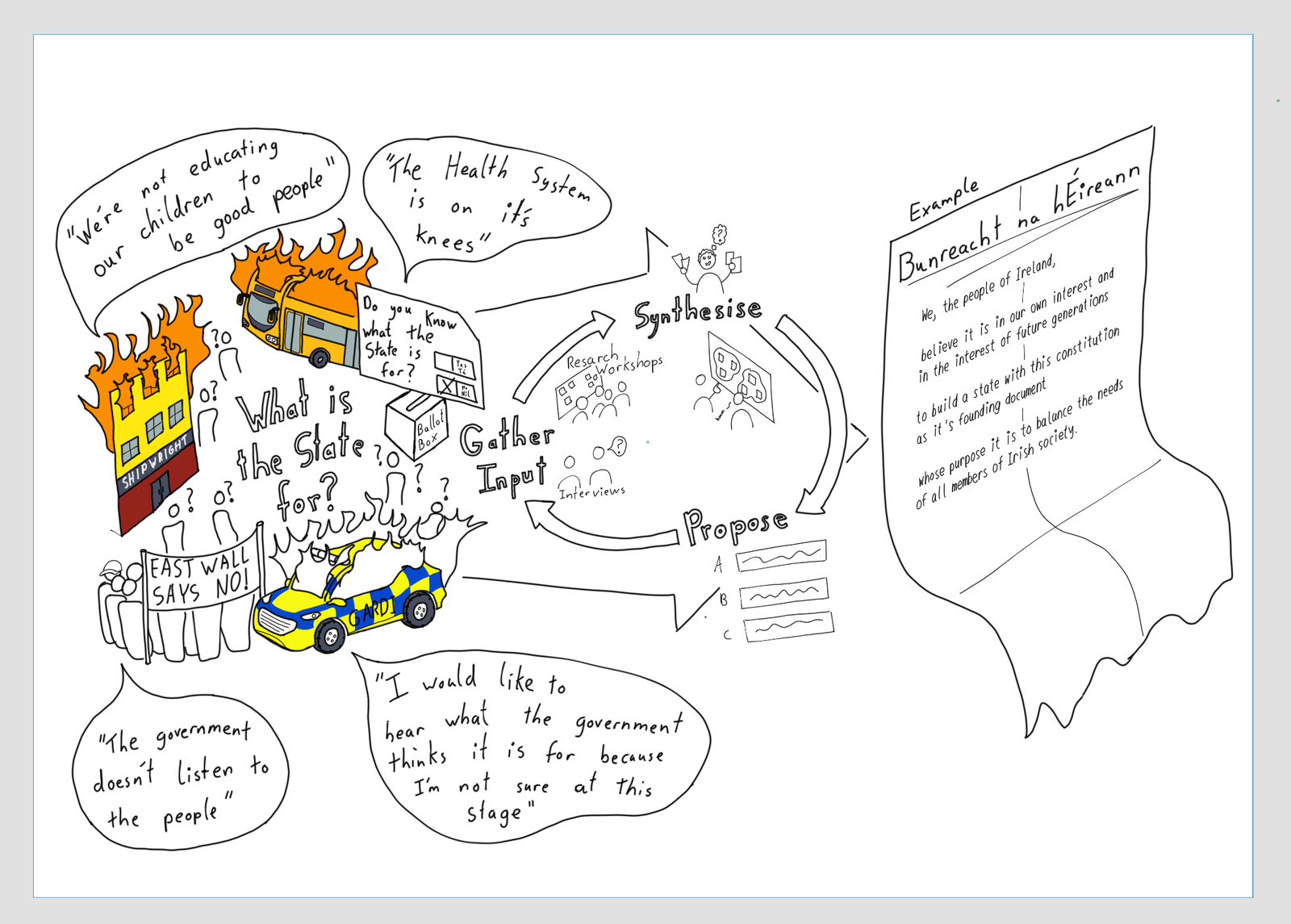
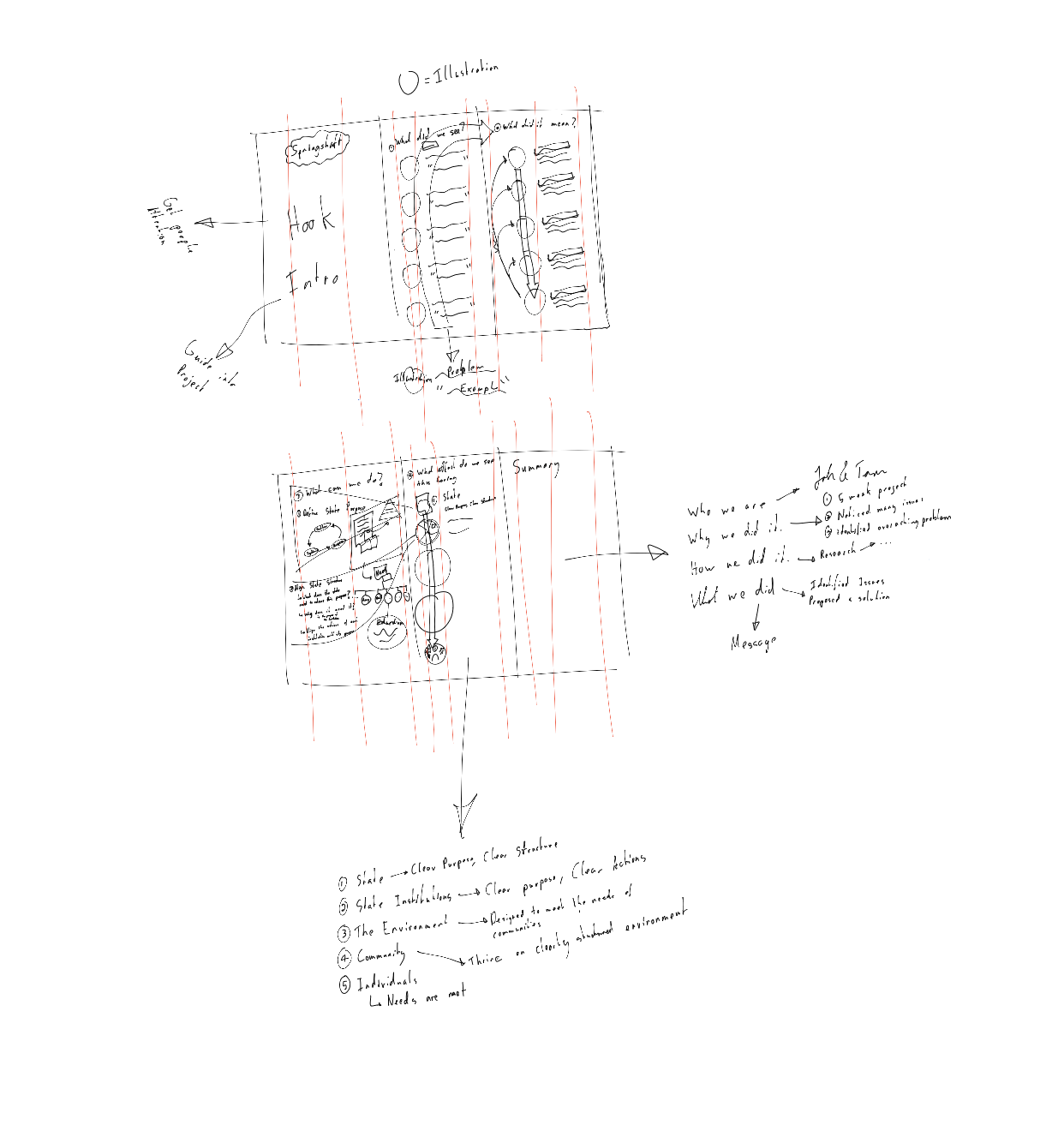
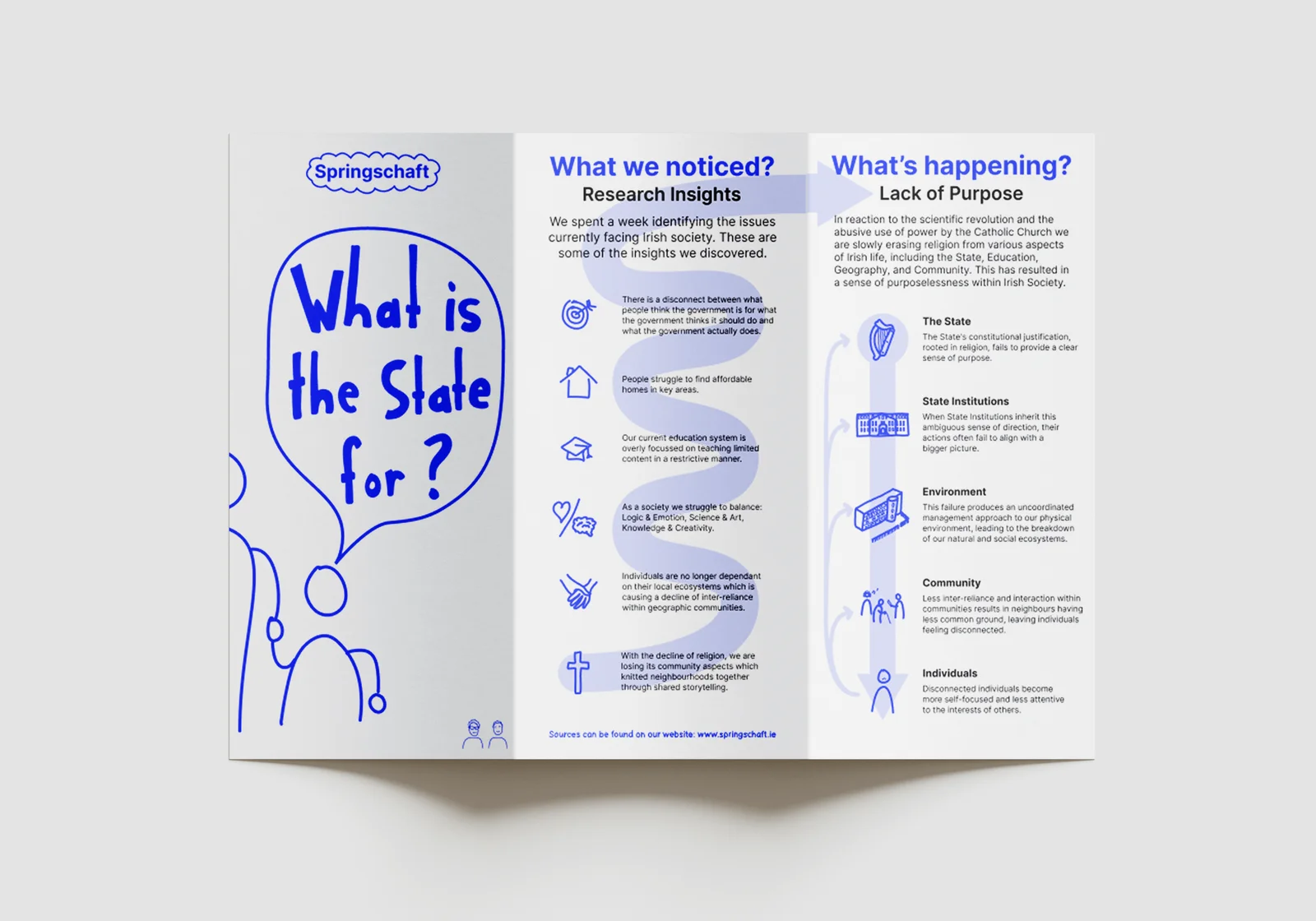
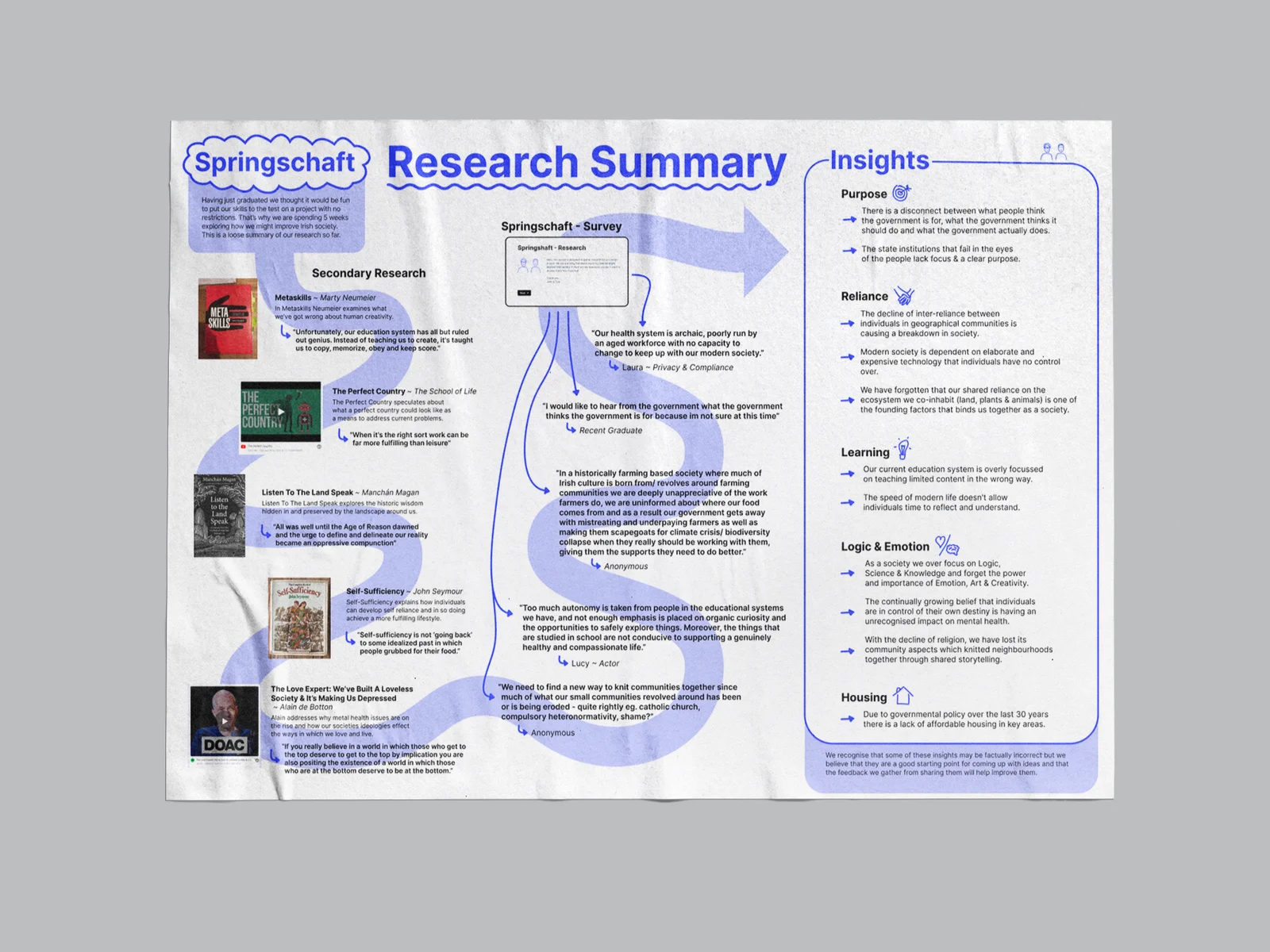
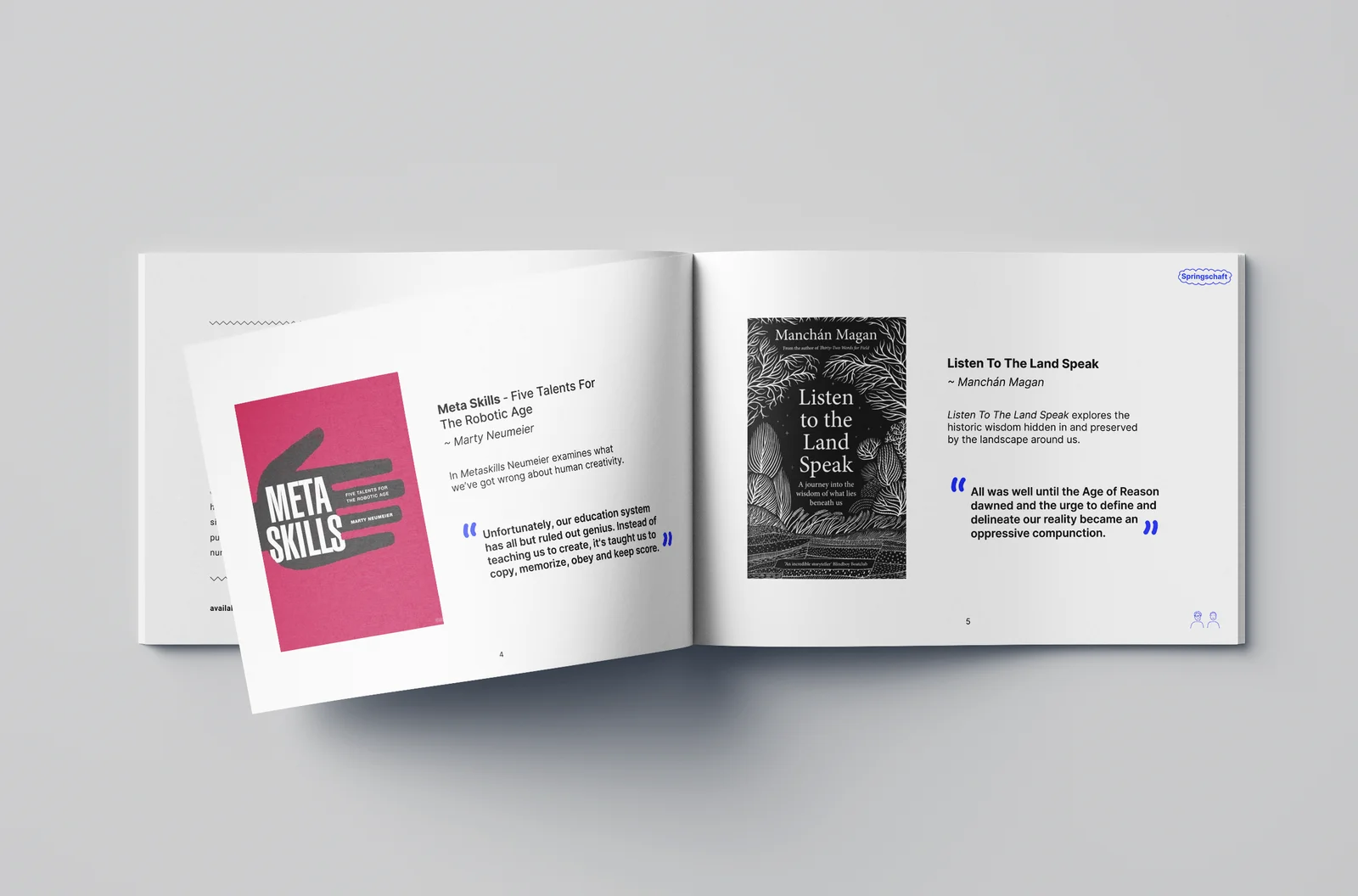
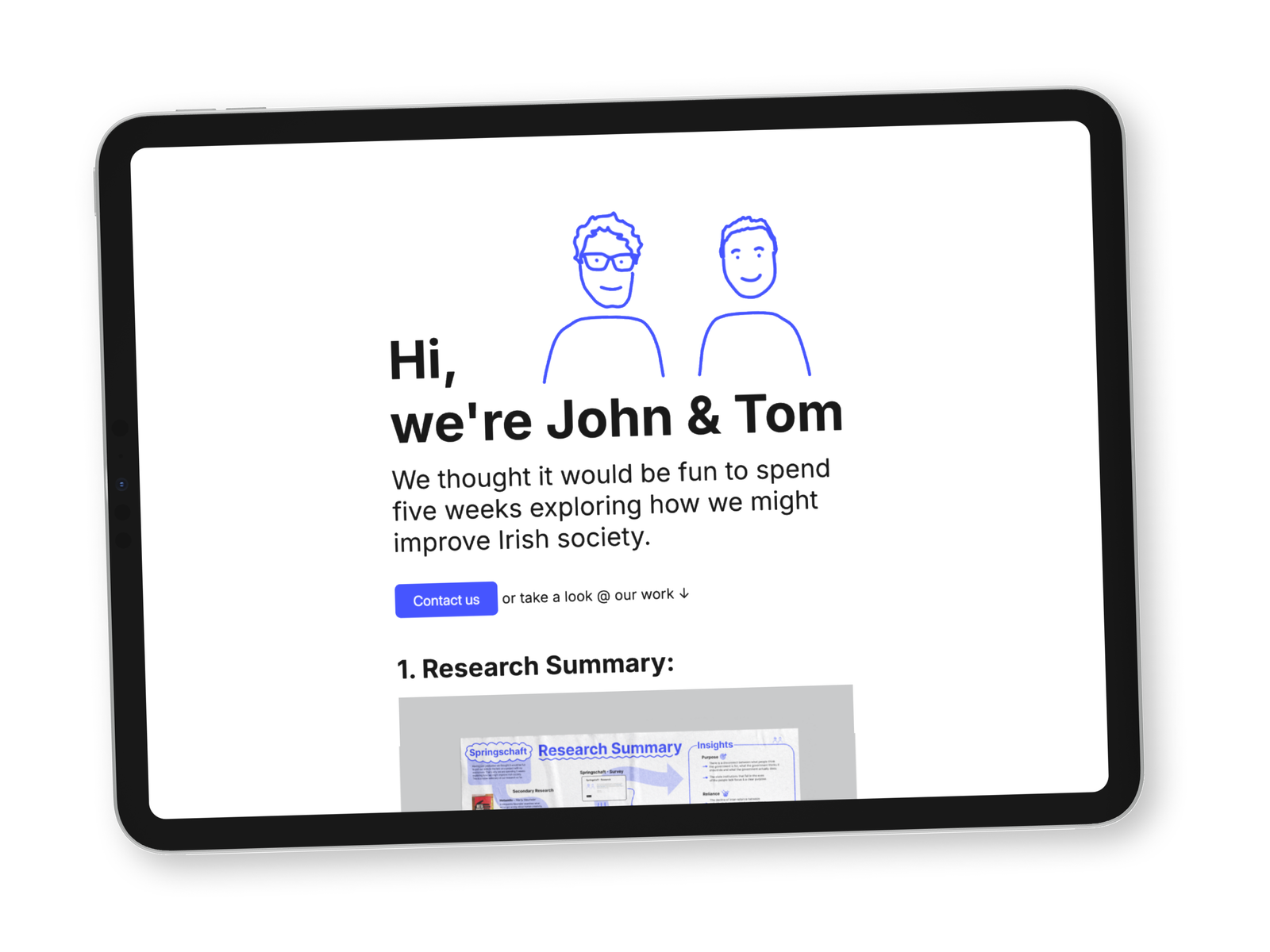
To share our findings, we created a series of artefacts that documented the research, communicated our insights, and presented our final point of view.
Springschaft taught me that complex problems rarely exist in isolation.
The more we explored, the more we found relationships between people, communities, institutions, and the systems they operate within.
Most importantly, I learned that clarity creates alignment. Whether designing a service, building a team, or shaping public policy, it's much easier to move forward when everyone understands what they're working towards.
That belief continues to shape how I approach design today.
The Autumn Society
View project →Hockey Media Belgium
View project →